
Overview of User Persona in 2025

The year 2025 marks a significant shift in consumer behavior and expectations. With rapid technological advancements and evolving lifestyles, consumers are no longer just looking for quality products—they seek rich, personalized content experiences that offer real value. So, what kind of content are they interested in? What do they want to read, watch, and engage with? Let’s explore the key content and interaction trends that will dominate in 2025.
Overview of User Persona in 2025
1\. Changes in Information Consumption Habits
Consumers in 2025 will absorb information in entirely new ways. They prioritize fast, visually engaging, and easily digestible content.
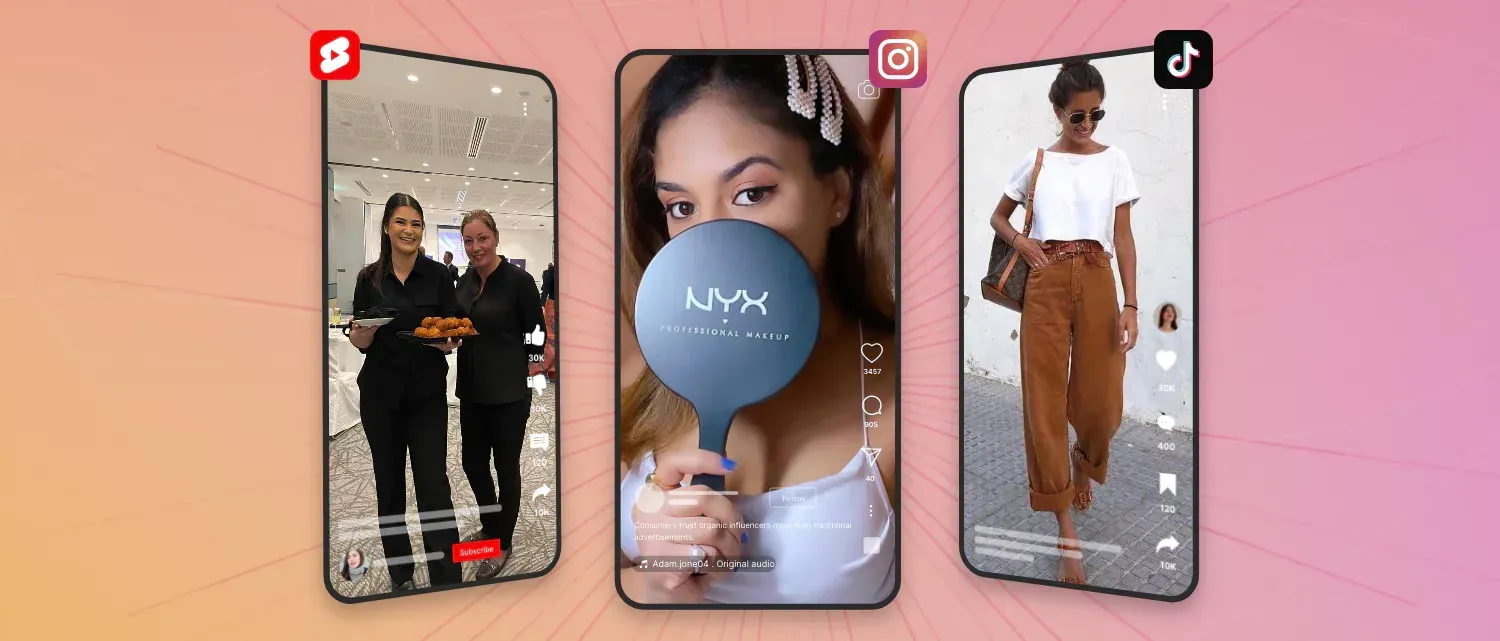
- Short-form videos: Platforms like TikTok, Instagram Reels, and YouTube Shorts will continue to dominate. Users prefer watching short videos (15-60 seconds) over reading long articles. This aligns with their busy lifestyles and the habit of consuming content “anytime, anywhere.”
- Podcast: Audio content will see strong growth, especially in education, entertainment, and news. Consumers can listen to podcasts while commuting or working, making the most of their time efficiently.
- AI-generated content: Technologies like ChatGPT and MidJourney will enable fast and personalized content creation, from articles to images and videos. This helps brands save time and resources in content production.
2\. Growing Demand for Highly Personalized Content
Consumers expect content that aligns with their interests and needs. AI and big data will play a crucial role in analyzing behavior and delivering tailored recommendations.
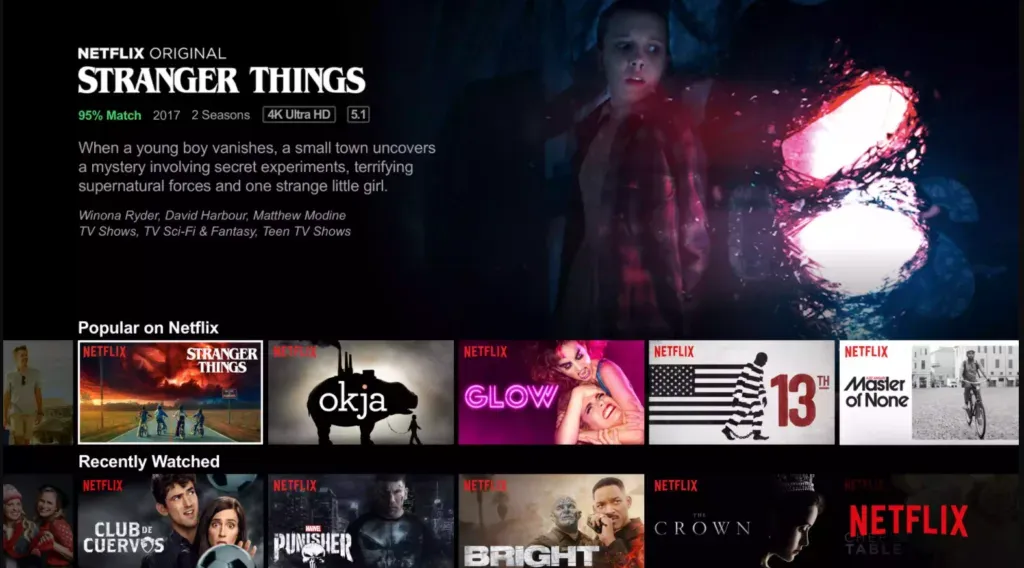
- Behavioral analysis: AI algorithms will analyze search history, shopping habits, and social media interactions to suggest relevant content. Major platforms like Netflix already use AI to recommend movies and shows based on viewing history. This not only saves users' time but also enhances satisfaction and loyalty.
- Deep personalization: Personalization goes beyond product recommendations—it extends to user experiences. For example, Spotify creates custom playlists like Discover Weekly to keep users engaged.
3\. Rising Demand for Practical, Value-Driven Content
Entertainment alone is not enough—consumers seek content that helps them learn, develop skills, or solve specific problems.
- Educational content: Online courses, guides, and tutorials will become even more popular. Consumers want to acquire new skills, from cooking to programming, through platforms like YouTube, TikTok, and Coursera.
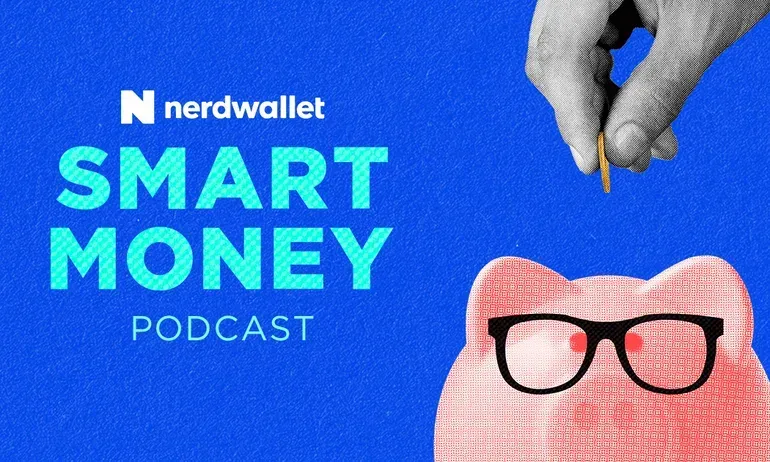
- Problem-solving content: People actively search for articles, videos, and podcasts that address real-life challenges. Examples include content on saving money, effective time management, or mental health care.
4\. The Rise of Multi-Directional Interaction
Consumers no longer just want to watch or read—they want to actively engage with content and brands.
- Real-time interaction: Livestreams, Q&A sessions, and online webinars will become increasingly popular. Users can ask questions and receive instant feedback from experts or influencers.
- Gamification: Game-like elements such as reward points, badges, and leaderboards will be integrated into content to enhance engagement and excitement. Apps like Shopee and Momo are well-known for their in-app games and weekly or monthly challenges, encouraging user participation through cumulative rewards.

5\. The Growth of Multi-Platform Content
Consumers want access to content across multiple platforms, from social media to mobile apps and websites.
- Cross-platform content: Brands need to create content that is easily shareable and interactive across different platforms. For example, a YouTube video can be repurposed for Instagram and Facebook, with a shorter version tailored for TikTok.
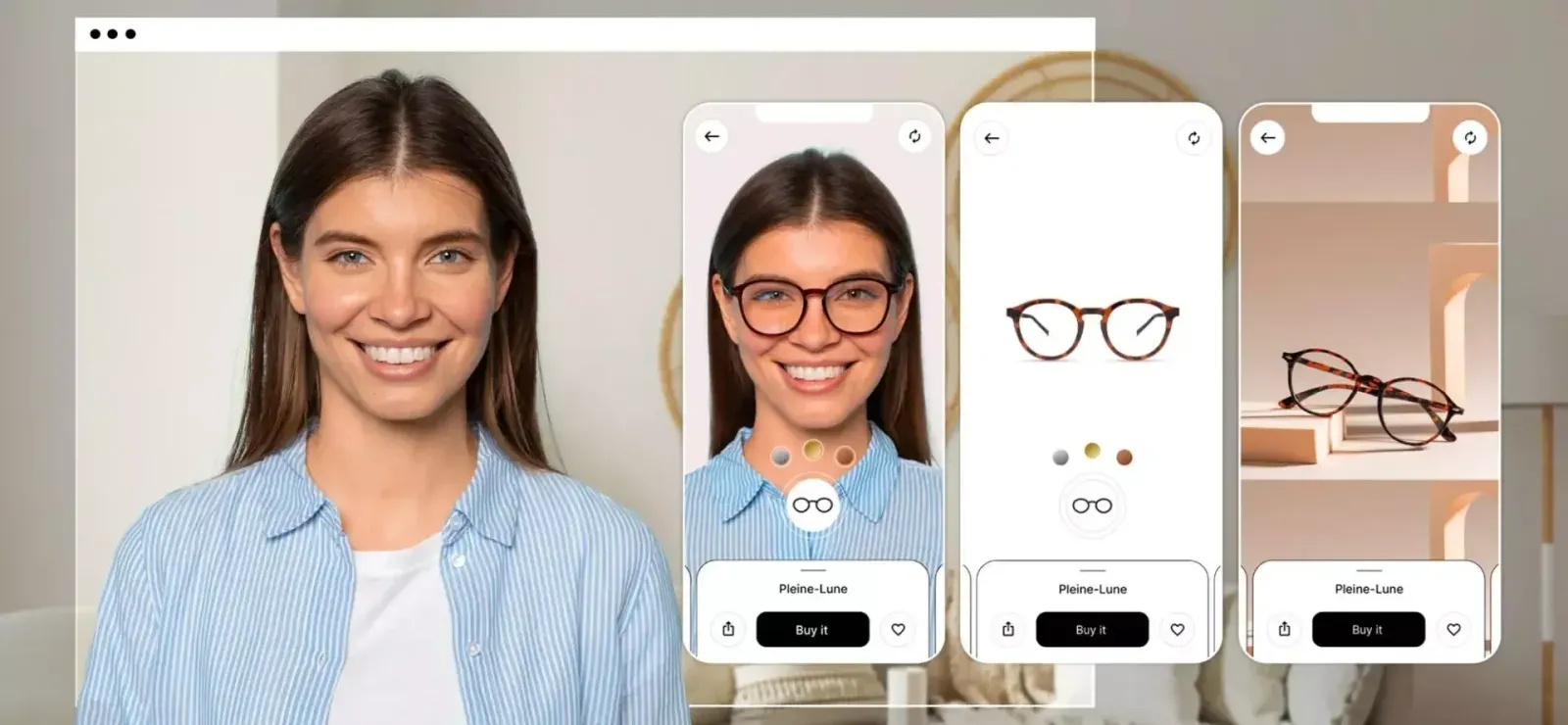
- AR/VR integration: Augmented reality (AR) and virtual reality (VR) will be increasingly used to deliver immersive and engaging content experiences. For instance, Japanese eyewear brand Owndays utilizes AR/VR technology, allowing customers to virtually try on glasses at home without visiting a store.
6\. Increased Transparency and Social Responsibility
Consumers are becoming more concerned with social and environmental issues. They want to know the origins of products and how they are made.
- Transparent content: Brands need to provide detailed information about their production processes, the origins of their materials, and the environmental impact of their products. Content such as videos sharing the farming and harvesting processes often generates high engagement on social media platforms.
- Social responsibility: Consumers are more likely to support brands that contribute positively to the community and the environment. Content highlighting charitable activities, environmental protection, and community support will attract interest and support from users.

7\. The Rise of AI-Interactive Content
AI technology not only helps create content but also enables unique interactive experiences.
- Smart chatbots: AI-powered chatbots can answer questions, provide product recommendations, and offer 24/7 customer support. For example, a chatbot on an e-commerce website can help users find products that match their needs.
- Interactive content: AI can generate interactive content like games, quizzes, and surveys to encourage user engagement. For instance, a brand could create a small game on social media where users participate and earn rewards.

Conclusion
In 2025, consumers will consume information and interact with brands in entirely new ways. They will not only seek quality products but also demand rich, personalized, and practical content experiences. To win over the new generation of customers, brands must embrace content and interaction trends, from utilizing AI technology to creating multi-platform and transparent content. Only then can brands build lasting relationships and create long-term value for consumers.